24 Hours To Improve Electrical Certificate In Watford


The Importance of an Electrical Certificate For Landlords
Electrical safety certificates that are properly certified are important for any business with a large number of customers. These certificates guarantee that all electrical installations are up to British standards.
These safety checks could include new installs, rewires, fault finding and the addition of additional sockets and lighting. They are also required by landlords for rental properties, and must be renewed every five years.
Proper Cert
It is your obligation as a landlord to ensure your property is safe for your tenants. It is your responsibility to make sure that all electrical installations are compliant and up-to-date. A domestic EICR is a vital component of this process, and should be performed by a licensed electrician. The certificate will help to keep away fires, electric shocks and other dangers that can be caused by outdated or damaged wiring.
In England there is required that landlords have an electrical safety certification prior to renting their property. Additionally, they are required to conduct a full inspection and test of their electrical system every five years or as often as is recommended by an electrician. Landlords are required to keep a log that details all electrical work as well as test results.
The EICR is a useful tool for landlords since it provides proof that their electrical systems are safe to use. It also helps them make the right choice when it comes to selling or buying their property. Some insurance companies require an EICR to be valid as part of their coverage conditions.
A domestic EICR is a crucial document to let properties, and should be performed by a licensed electrician. The EICR includes a thorough inspection and test of the wiring as well as sockets, switches lighting fittings, and the consumer unit to ensure their safety for occupants. A qualified electrician will inspect the condition of the wiring as well as the fuse ratings and the RCDs. They will also look at any changes that have been made to the electrical system, and will note this on the report.
The EICR must be issued by an electrician who is registered. The test is intended to find any flaws and ensure that the requirements for electrical installations. This is done to protect tenants' safety, reduce the risks of fires, other risks or injury. The test consists of a visual inspection and testing of the circuits, wiring, and electrical components.
EICRs for Landlords
A test called an EICR assures the safety and security of electrical installations within residential homes. It is able to detect problems that could cause electric shocks or fires, and determine the condition of wiring and sockets. It also determines if the wiring has been damaged or interfered with. This information is crucial to ensure the safety of tenants. It is crucial that landlords engage an expert to carry out the inspection.
Landlords have to ensure that their properties are checked every five years. In many jurisdictions, this is a requirement. It helps in preventing damage to the building's structure. If the landlord fails to do so, they could face penalties and fines. In addition, some insurance companies for homes require EICRs before they will provide coverage for a property.
EICR tests must be carried out by a certified electrical contractor. The test can help landlords to identify problems with their electrical system, which can be costly to fix if not addressed promptly. A regular EICR can also help reduce the chance of electrical accidents and fires.
In addition to EICRs landlords should also consider PAT testing for their properties. It is a portable device test that looks for any defects like broken plugs or faulty switches. These tests are typically performed by a qualified technician, however it is possible to perform them on your own as well.
The EICR tests all fixed installations, such as consumer units, sockets and cables, lights, as well as earth bonds. This does not include appliances like dishwashers, washing machines or fridges. They should be tested separately using a PAT.
If the electrician finds any defects in the fixed electrical installations, they will write this on an EICR report. They will also recommend any remedial work to be done. To avoid any issues landlords should complete the work within 28 days.
It is recommended to select an electrician with an established track record of high-quality work. A reputable electrician can also offer a range of services to landlords such as PAT testing and repairs. They should also be able to offer a variety of payment options and affordable prices.
EICRs for Property Managers
If you're a landlord you're legally required to have your home's electrical installations checked by an electrician at a minimum every five years. This is part of the new regulations that the UK government has enacted to safeguard tenants from unforeseen incidents, such as fires caused by old wiring. This EICR procedure includes testing all fixed wires, which includes consumer units and sockets, as well as lights, cables, earth bonds, and gas bonds. However, emergency lighting installer watford does not include portable appliances, which are tested using an additional procedure called PAT testing.
EICRs are used to identify electrical faults that could trigger a fire or shock. It also reveals whether the wiring has been altered with and provides you with details that can help to prevent further damage.
An EICR will not only ensure that your electrical installation is secure but can also help you save money by identifying issues before they become more serious. This way, you'll be able to avoid expensive repairs or replacements in the future. Additionally, you can keep your property in good shape and improve its value by displaying an up-to-date EICR certificate.
Landlords must have EICRs performed prior to the time a property is rented out. This test examines all electrical and wiring in the property to verify that they are in compliance with standard. This is a legal requirement for landlords, and failure to perform these tests may result in the levy of a fine.
EICRs are not only an obligation for landlords to comply with the law However, they can assist in attracting tenants and ensure the safety of your property. These reports will reveal any issues that need to address and give you peace of mind knowing that your tenants are in safe in the hands of a professional. In the case of an accident, an EICR will show that you took all reasonable steps to keep your tenants safe.
If you're selling or renting your home, a current EICR can boost the value of your property and make it more appealing to potential buyers or tenants. Additionally insurance companies typically require an EICR to be a requirement for coverage, as it lowers the risk of electrical-related injuries and liability claims.
EICRs for estate agents
EICRs help landlords ensure the safety of their tenants. They detect any deficiencies or dangers in the electrical system, and offer plans to deal with them. They can also help landlords to comply with regulations, protect themselves against liability claims and insurance policies.
An EICR is a thorough assessment of a residential property's electrical wiring. It should be performed by a qualified electrician. A full EICR will include a visual inspection of the property, and an examination of the wiring and appliances. During the test, the mains power is shut off to ensure safety. The test can take anywhere between a few hours to a whole day, depending on the size.
An experienced engineer will conduct an EICR test to ensure that the electrical installation is safe for use in a home and that it complies with the current IET Wiring Regulations (BS 7671). In many cases the test is legally required to ensure the safety of people living in the premises and to ensure insurance coverage. It also determines any areas that could require maintenance or upgrading.
Electrical installations can become hazardous or malfunction over time because of wear and tear or other reasons. Regular EICR tests can help avoid accidents and save money by identifying problems before they become serious. They can also help determine that someone has altered the wiring, which is a safety issue.
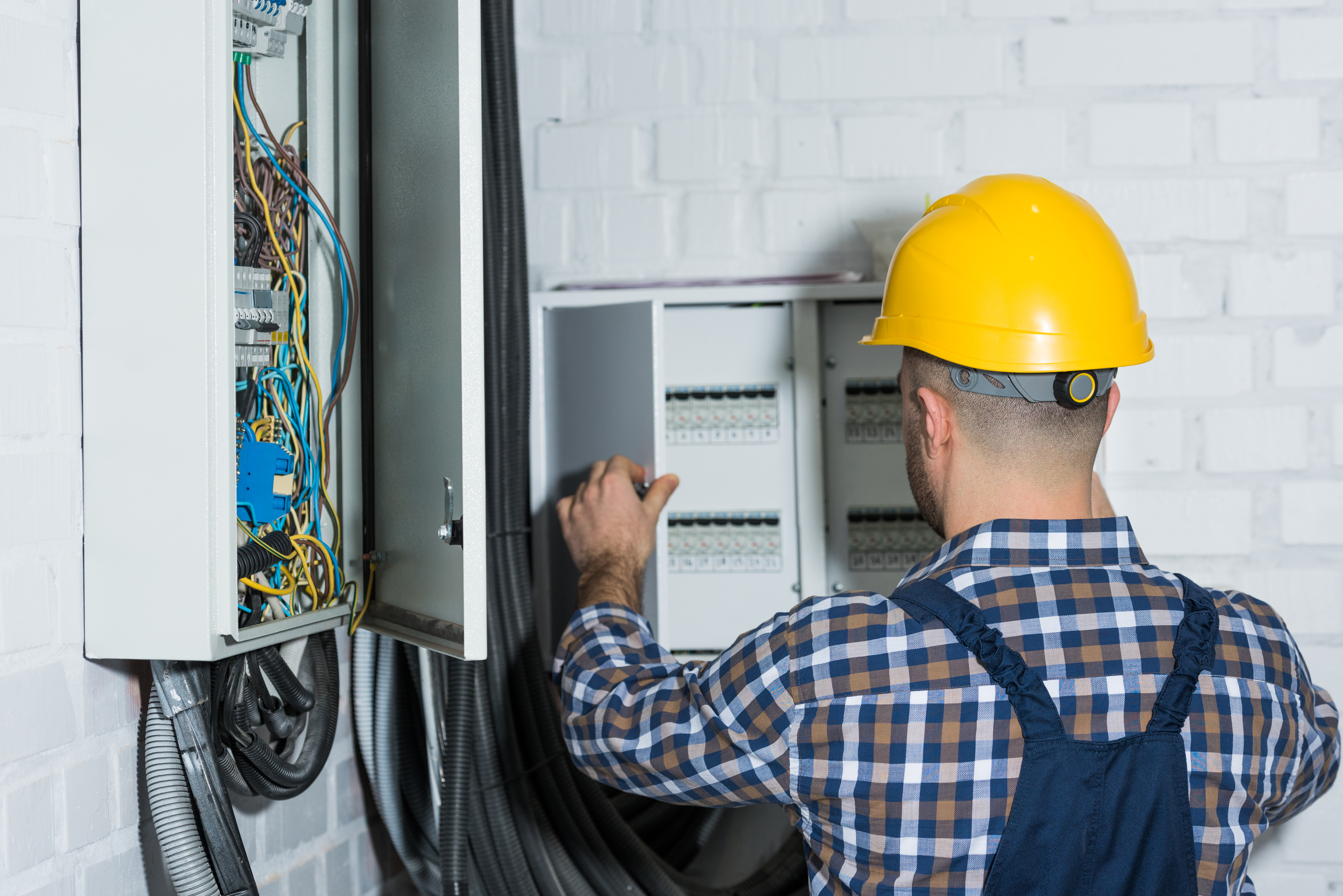
Landlords need to have an EICR for all properties that they lease to tenants. This includes apartments, houses, and commercial properties. These reports are required by law in England, Scotland, and Wales. These reports must be provided by a registered electrical contractor prior to the commencement date of a lease renewal and must be renewed on a regular basis.
The EICR process is a comprehensive examination of all electrical fixed systems in a structure including consumer units, sockets, lights, cables earth bonding, as well as gas bonding. The EICR process does not include the testing of portable appliances. This is done in a separate PAT (Portable Appliance Test) test.
The cost of an EICR may differ, but it's generally less than PS300 for a typical home. The price is dependent on the level of complexity involved in the job, as well as the length of time required to complete. The test requires mains electricity to be turned off for safety reasons It could take from a couple of hours to a full day to complete.